Exploring Different Types of Loft Conversions: Pros and Cons
Loft conversions have become a popular choice for homeowners looking to maximise their living space without the hassle of a...
Are you considering transforming that underutilised space in your home into a functional and stylish living area? A loft conversion might just be the answer to your needs. Converting your loft not only adds valuable space to your property but can also significantly increase its overall market value. However, before embarking on this exciting home improvement journey, it’s crucial to understand the costs involved. In this comprehensive guide focused on loft conversion cost, we’ll break down the expenses associated with a loft conversion, helping you make an informed decision.
The first and most important step towards realising your loft conversion dreams involves meticulous planning and innovative design. At this stage, one must decide whether to engage a building partner who can do the design and architectural detail as well as the build is a very favourable option with responsibility under one roof. Alternatively, hiring a qualified architect or a professional designer is another way to get started and they can often direct you to a good build partner. These experts will assess your property’s structure, discuss your requirements, and translate your vision into detailed plans.
The initial planning and design phase includes a series of consultations, site visits, and the creation of plans that outline the transformation of your loft space.
While it might seem like an upfront expense, it’s crucial to start well with clear details on the project costs and investing wisely in a well-thought-out design ensures the feasibility of your project and prevents costly changes down the line.
A successful loft conversion often requires structural alterations to your existing space. This could involve reinforcing the floor to accommodate the additional weight of furniture and occupants, adding new beams for support, and ensuring the structural integrity of the roof to comply with safety standards.
Moreover, loft conversions must adhere to building regulations and obtain the necessary approvals from local authorities. These regulations encompass factors such as fire safety, insulation, ventilation, and overall structural soundness. Meeting these requirements not only guarantees the safety of your new living space but also contributes to the overall costs of the project.
Loft conversions come in various types, each with its own set of characteristics and costs. Choosing the right type depends on your preferences, budget, and the existing structure of your property.
This is the most cost-effective option and involves adding windows to an existing loft space. It’s relatively straightforward as it requires minimal structural changes. The natural light brought in by the windows can significantly enhance the ambience of the room.
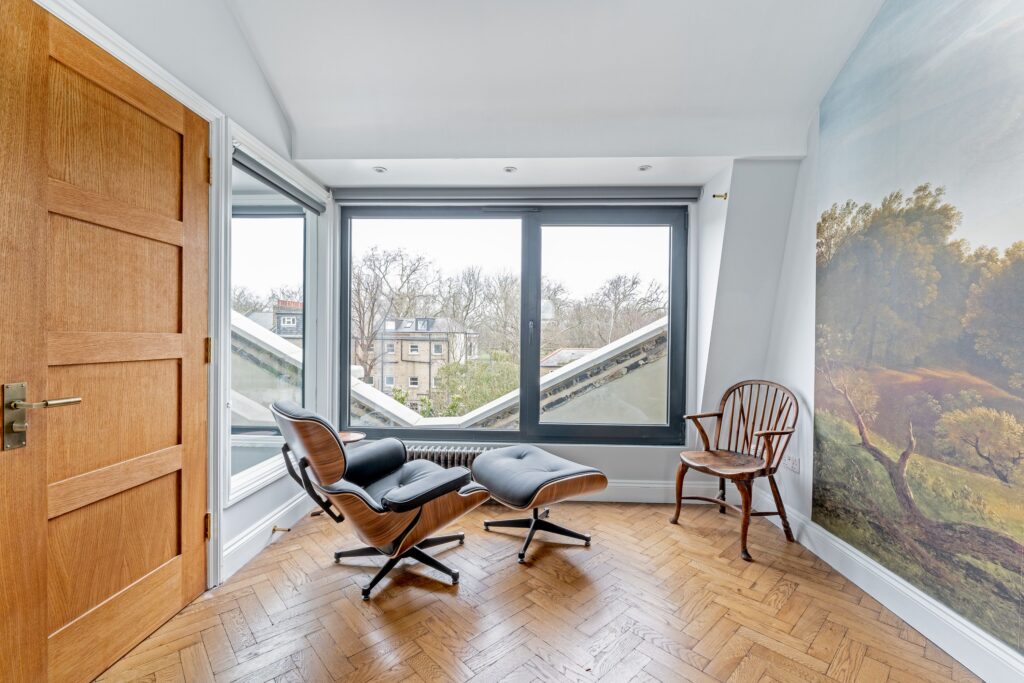
Dormer extensions create additional space by extending the roof. This type provides more headroom and floor space compared to roof light conversions. However, the complexity of construction and the need for additional materials contribute to higher costs.
This involves extending the sloping “hip” roof to a vertical “gable” wall, effectively creating more internal space. While it provides a substantial increase in living area, this type of conversion is more extensive and requires altering the roof’s structure, making it pricier.
Mansard conversions involve the most significant changes to your property’s structure. It requires altering one entire side of the roof to a near-vertical wall. This creates a large and versatile living space but also demands the highest investment due to its complexity.
The choice of the loft conversion type directly influences the project’s cost. It’s crucial to weigh the benefits and costs of each type based on your requirements and budget.
The materials and finishes you choose play a significant role in both the aesthetics and costs of your loft conversion. While it might be tempting to opt for budget-friendly materials, investing in quality materials can lead to long-term savings. For instance, durable insulation and energy-efficient windows can reduce heating and cooling costs in the long run.
From flooring and wall finishes to doors and windows, the options are vast. Hardwood floors and high-end fixtures might be more expensive initially, but they add value to your living space and contribute to a luxurious atmosphere.
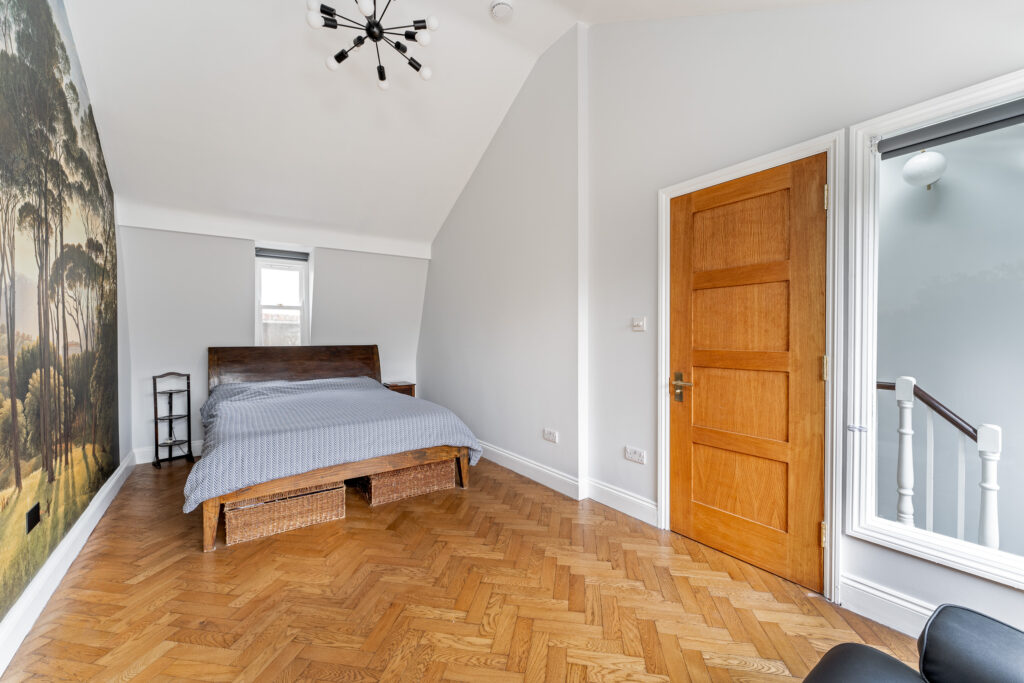
If your loft is being transformed into a living area, it’s likely that you’ll require plumbing and electrical work. This becomes particularly important if you plan to add a bathroom, an en-suite, or a kitchenette to the space.
The cost of plumbing and electrical work can vary based on the complexity of the installation. It’s essential to hire certified professionals who understand the unique challenges of loft spaces. Installing proper wiring, outlets, lighting fixtures, and plumbing ensures the functionality, safety, and compliance of your new living area.
While not a direct construction cost, interior design and furnishing are significant aspects of your loft conversion project. The design and furnishings you choose define the character of the space and contribute to its overall appeal.
Allocate a portion of your budget for furniture, décor, paint, and other interior elements. Consider the style and functionality you want to achieve. Investing in comfortable furniture and tasteful decorations can create a welcoming and visually pleasing environment.
In many cases, loft conversions fall under permitted development rights, which means you might not need planning permission. However, certain conditions must be met to qualify for permitted development, such as not exceeding certain size limits or altering the roof’s shape. If your project doesn’t meet these criteria, you’ll need to obtain planning permission from your local authority, which incurs additional costs.
Additionally, some loft conversions might require specialised permits, especially if you make substantial changes to the property’s structure. It’s essential to factor in these potential expenses when budgeting for your loft conversion.
Labour costs constitute a significant portion of your loft conversion budget. Hiring skilled professionals is crucial to ensure the quality and safety of the project. From builders and carpenters to electricians and plumbers, each role contributes to creating a well-executed and functional living space.
While it might be tempting to cut costs by hiring less experienced labour, this approach can lead to mistakes, delays, and even safety hazards. Skilled professionals bring expertise to their respective areas, producing a finished product that meets or exceeds industry standards.
No matter how well you plan, construction projects often encounter unexpected challenges. Setting aside a contingency fund is a smart practice to prepare for these unforeseen expenses. A general rule of thumb is to allocate around 10-15% of your total budget to cover any surprises that may arise during the project.
A contingency fund provides peace of mind and financial flexibility. It ensures that you can address unexpected issues without derailing the entire project or compromising on quality.
While the costs of a loft conversion might seem substantial, it’s essential to consider the potential return on investment (ROI). A well-designed and executed loft conversion has the potential to enhance both your living experience and the value of your property.
The additional square footage, functional improvements, and enhanced aesthetics can make your home more attractive to potential buyers, should you decide to sell in the future. A loft conversion can yield a strong ROI, making it a wise investment for homeowners looking to maximise their property’s value.
Undertaking a loft conversion is a significant endeavour that requires careful consideration of the costs involved. From the initial planning and design stages to the choice of materials, labour, and finishing touches, each aspect contributes to the overall budget. While cost is a crucial factor, it’s essential not to compromise on quality to achieve your desired outcome.
A well-planned and well-executed loft conversion not only adds functional space to your home but also enhances its aesthetics and value. By understanding the various costs and planning accordingly, you can embark on your loft conversion journey with confidence, knowing that you’re making a sound investment in your property’s future.